
45 retrospective formats.
Pick the right one in minutes.
Every sprint ends with the same question: what shall we do for the retro this time? You know the team deserves better than Start-Stop-Continue for the twelfth sprint running — but finding, comparing and preparing a fresh format costs an evening you don’t have.
Price excludes VAT; it is added at checkout. Prefer Etsy? It’s there too.
- 45 formats
- 90 illustrations & board templates
- PDF + EPUB
- Instant download
A shelf, not a reading list.
45 retrospective formats, written up as finished, self-contained format guides for Scrum Masters, agile coaches and team leads who facilitate in the real world. Every format is described the same way, so you can scan, compare and decide in minutes. And every format comes with two matching visuals: a hero illustration for your invitation or wiki, and a board template you can print or drop straight into Miro, Mural or any digital whiteboard.
Six things, in the same order, every time.
At-a-glance metadata
Retro phase, group size, time needed, team maturity, energy level, in-person or remote, and the materials to prepare.
Purpose & when to use
What the format is really for, and the team situations it shines in — so you stop picking on vibes.
Facilitation guide
A numbered, step-by-step script with timings. You can facilitate straight from the page without rehearsing it first.
Pitfalls & tips
The mistakes facilitators actually make with this format and how to avoid them — the failure modes a short summary leaves out.
Board template & illustration
Two matching visuals per format in one warm, consistent style, deliberately text-free so you can add labels in your own language.
Print-ready and portable
PDF at 300 ppi for the room and EPUB for the train, fonts embedded, in one zip you download the moment you pay.
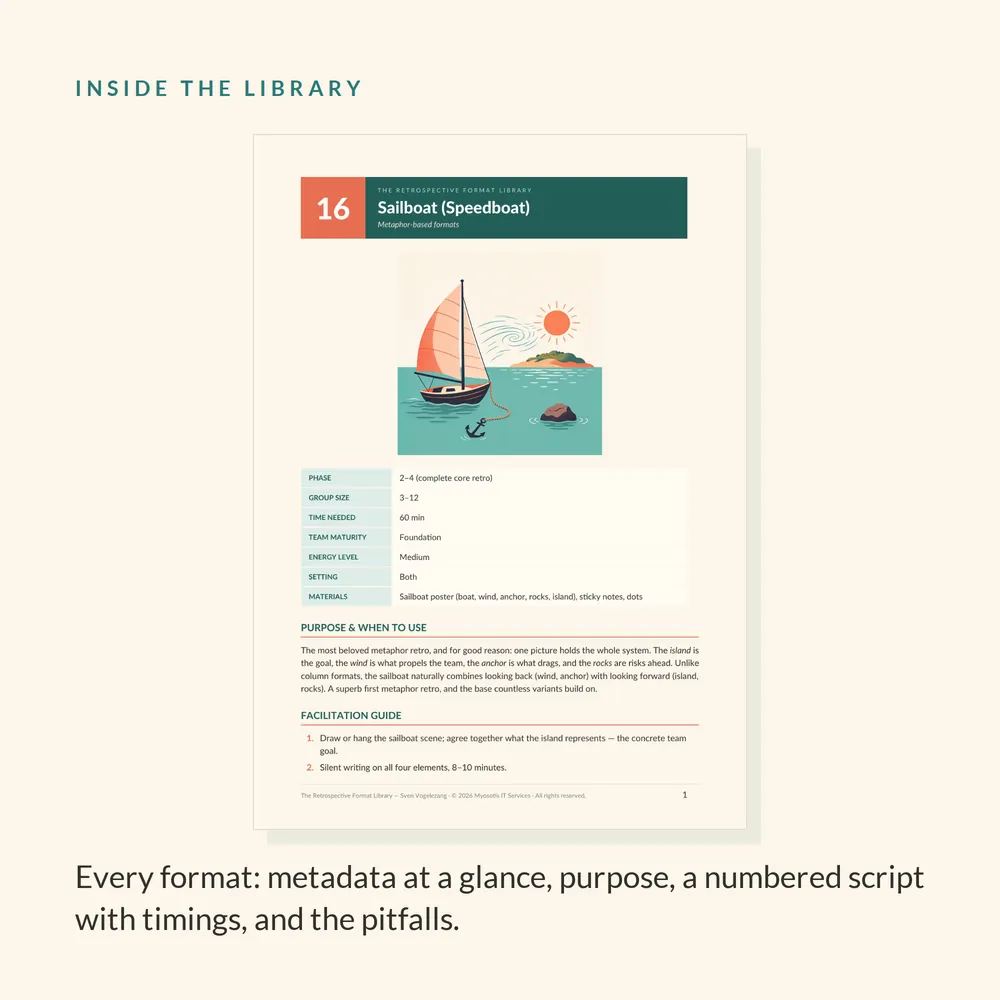
This is what a format looks like.
The metadata table sits at the top, so you can rule a format in or out before you read it. The illustration beside it is the same file you drop into the invitation, and the numbered steps below it carry their own timings.
All 45 are laid out this way, which is what turns comparing two formats into a ten-second job instead of an evening.
Three dials that decide which format, tonight.
The library isn’t 45 loose ideas. Every format is tagged on the same three dimensions, and those three answers lead you to the right format for this sprint.
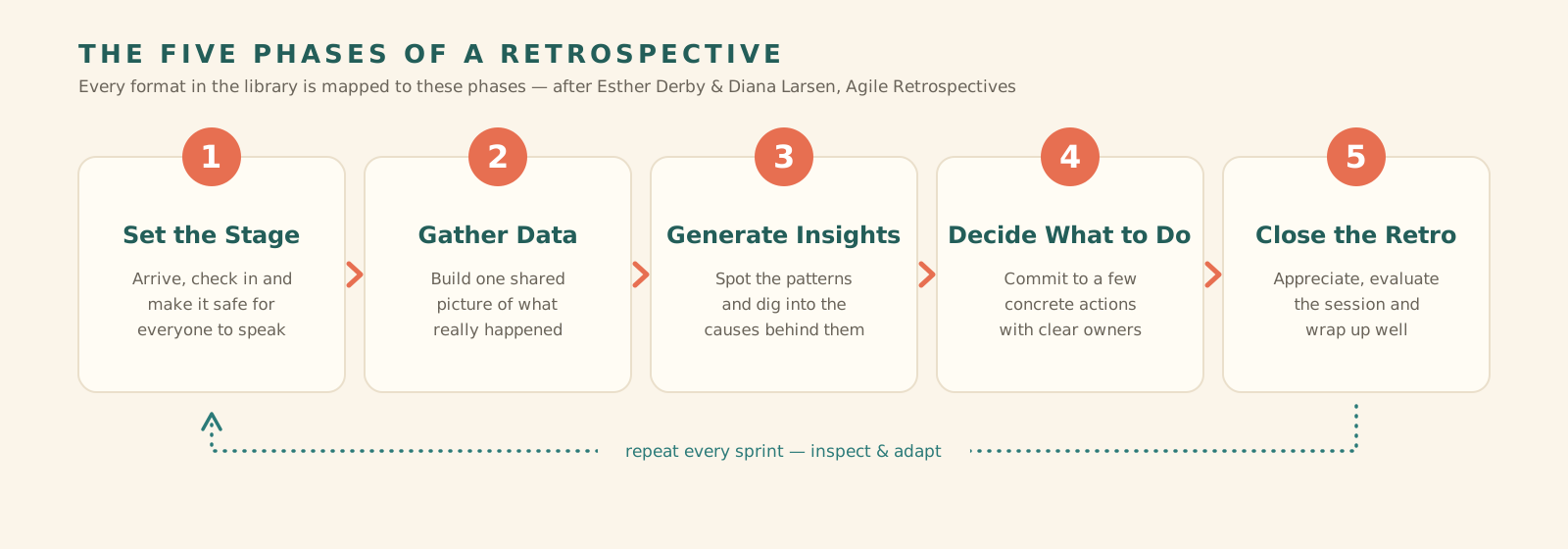
Dial one — which phase are you filling?
The library follows the five-phase structure from Derby & Larsen’s Agile Retrospectives. Most formats cover the middle phases; dedicated openers, deciders and closers let you compose a session like a menu. Your retro gets a beginning, a middle and an outcome — not a collection of exercises.
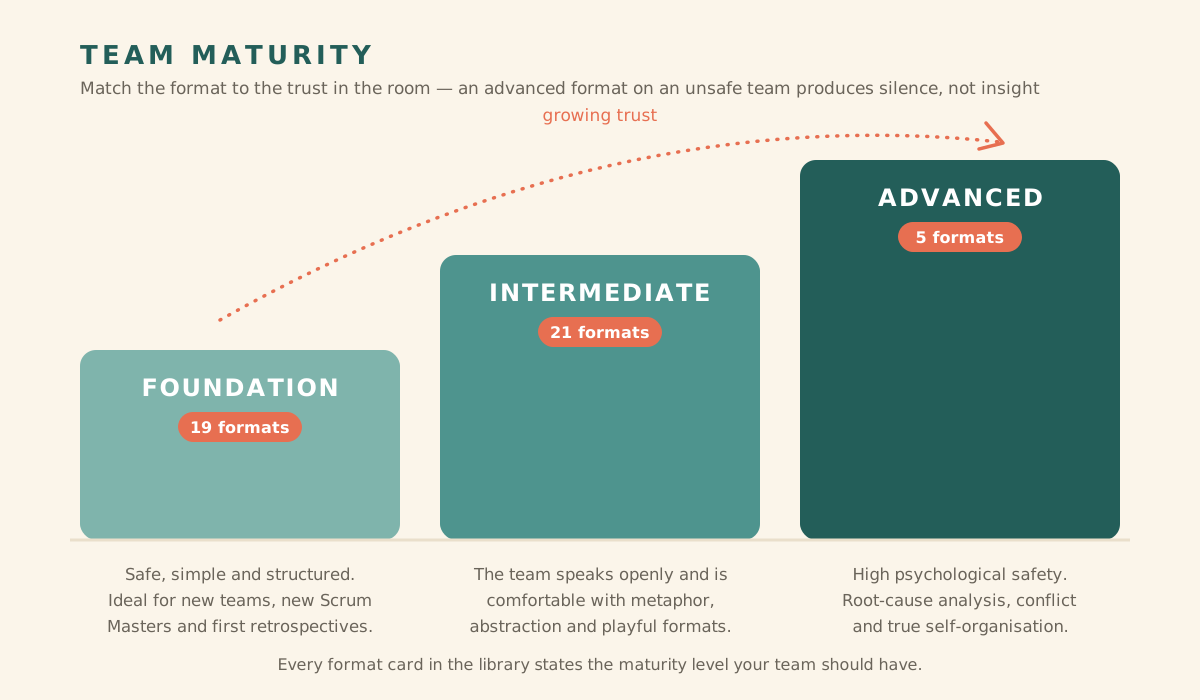
Dial two — how much trust is in the room?
A brilliant format at the wrong moment falls flat, so every format carries a maturity level. Foundation (19 formats) is safe, simple and structured. Intermediate (21) assumes open conversation and rewards metaphor. Advanced (5) needs high psychological safety and unlocks real root-cause work. Start where the team is, and grow the retro as the trust grows.
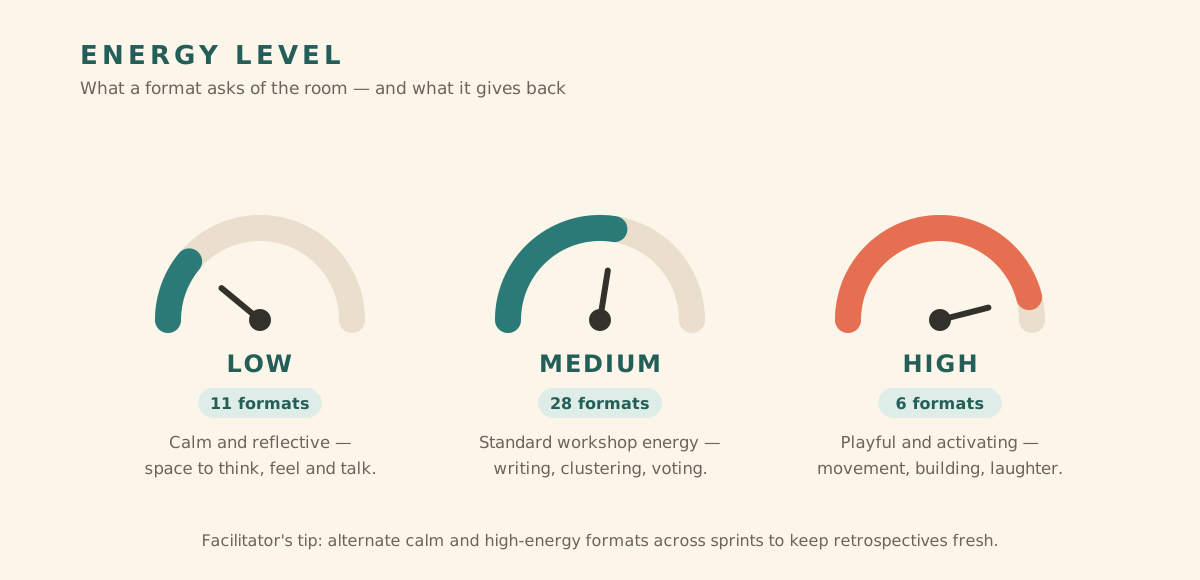
Dial three — what does the room have left?
Retrospectives die of monotony. The energy level tells you what a format asks of the room and what it gives back: Low (11) for calm and reflective, Medium (28) for standard workshop energy, High (6) for playful sessions with movement and laughter. Alternate them across sprints and the team stops dreading the retro.
Six categories, one coherent library.
Buy the whole library for €24, or take a single shelf if that’s all you need. Three packs already cost more than the full set.
| Category | What’s in it | Formats | Pack |
|---|---|---|---|
| Set the Stage | Openers & check-ins — ESVP, Safety Check, Weather Report… | 5 | €9 |
| Classic Frameworks | The proven workhorses — Start-Stop-Continue, 4Ls, Starfish, Lean Coffee… | 10 | €12 |
| Metaphor Retrospectives | Break the routine — Sailboat, Hot Air Balloon, Superhero Retro, LEGO Retro… | 10 | €12 |
| Data-Driven & Root-Cause | Dig deeper — Timeline, Team Radar, Fishbone, 5 Whys… | 8 | €12 |
| Forward-Looking & Special-Purpose | Change direction — Futurespective, Premortem, Celebration Grid… | 7 | €12 |
| Deciding & Closing | Land the plane — Dot Voting, Impact & Effort Matrix, Kudo Wall, ROTI… | 5 | €9 |
One zip. Everything in it.
- 45 format guides as print-ready PDF, 300 ppi visuals, fonts embedded
- 45 EPUB versions for reading on a tablet or phone
- 90 custom illustrations and board templates in one consistent visual family
- An introduction and index document — the three questions that lead you to the right format for this sprint
- Instant download, yours to keep, no account and no subscription
€24
Excl. VAT — added at checkout, with an invoice.
One-off payment. No account, no subscription.
Buy the libraryPrefer Etsy? It’s there too.
Also want the 45 icebreakers?
Take both for €39 — you save €9.
Two per format, in one style.
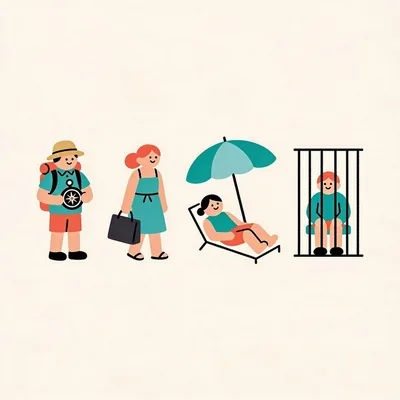
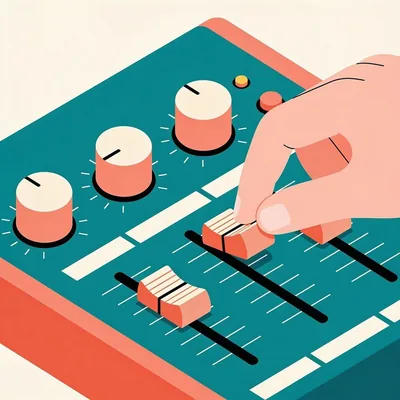
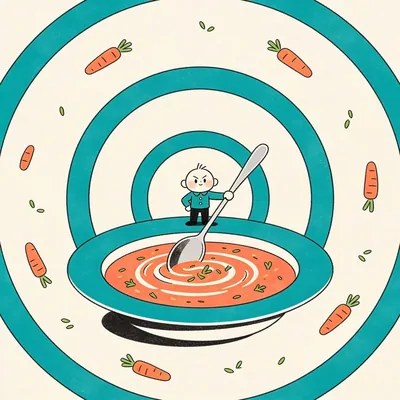
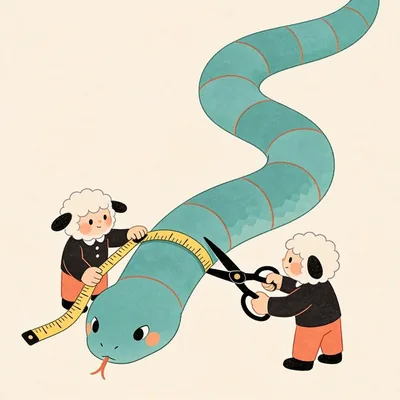
A hero illustration for the invitation or the wiki, and a board template for Miro, Mural or A4 paper. Both text-free, so you add the labels in whatever language the team speaks.








Two complete formats, free.
Not previews — the same files that are in the library. Run one at your next retro and decide from there.
ESVP
Explorer, Shopper, Vacationer, Prisoner. An anonymous read of how the room actually arrived — and a decision rule for what to do when half of it says Prisoner.
Safety Check
Five minutes, anonymous, five levels. Tells you whether the retrospective you planned is the retrospective this team can actually have today.
Both are pay-what-you-want. €0 gets you the identical file.
Scrum Masters who facilitate week in, week out.
Agile coaches who want a consistent toolkit across teams. Team leads who inherited the retro and want to do it justice. And anyone who believes a retrospective should be the most valuable hour of the sprint — not the one everyone tries to skip.
The format is a vehicle, never the goal. This library gives you 45 vehicles, a map, and enough information to know which one to take. The conversation — that’s yours.
Before you buy.
Library or category pack — which one?
If you need more than two shelves, the full library at €24 is cheaper. The packs exist for people with one specific gap: a coach who only ever runs openers, or a team lead who wants the classics and nothing else.
Can I use these with my clients?
Yes — facilitate them as often as you like, with any team, at any employer or client. You may not resell, redistribute or republish the files themselves.
Do the board templates work in Miro?
Yes. They are high-resolution images: drop them into Miro, Mural, FigJam or a Teams whiteboard, or print them at A4. They contain no text, so nothing has to be translated first.
Is there anything here I can’t find for free?
The names, mostly not — Sailboat and 4Ls have been around for years. What you can’t easily find for free is 45 of them written up to the same standard, with the group size, the real timing, the maturity level and the failure modes stated in the same place every time, plus matching visuals. You’re buying the evening you’d otherwise spend assembling that.
Does it overlap with the Icebreaker Library?
No. Eight icebreakers were cut from that selection specifically because they duplicated a format in here. The €39 bundle is 90 distinct pieces.
Your next retro is already in here.
All products · The Icebreaker Library · The bundle
How this was made. Selected, specified and reviewed by Sven Vogelezang, a working Product Owner and Scrum Master. The text and the illustrations were produced with AI tools under his direction: he set the structure, the metadata system and the quality bar, decided what went in and what stayed out, and reviewed the result. Nothing here is bulk-generated — every page was written against a house style, and a full review before release corrected three dozen problems, from impossible timings to activities that quietly exclude people.